


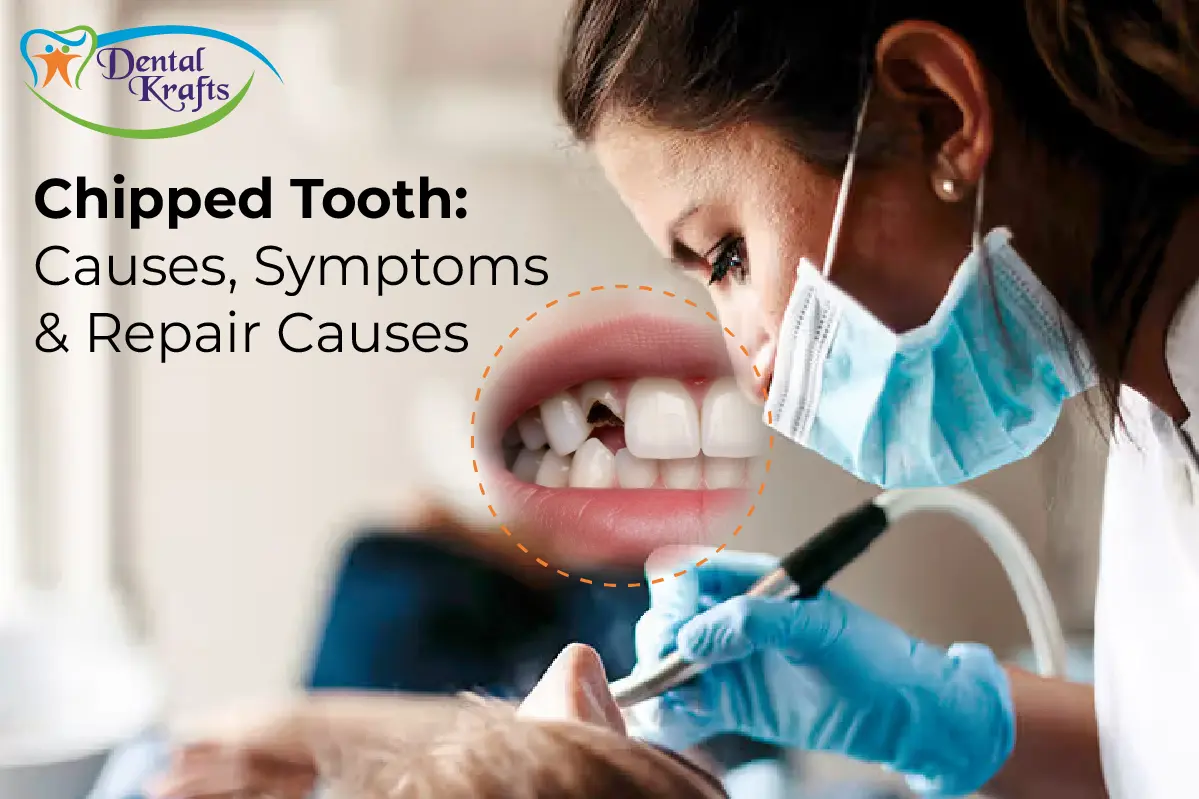
A broken or chipped tooth can happen to anyone — whether you bite into something hard, face an accidental injury, or notice a sudden crack while chewing. The good news? Most chipped teeth can be treated quickly, restoring both comfort and appearance. This detailed guide explains why chipped teeth occur, the symptoms you should watch for, and the best treatment options available.
Chipped teeth are surprisingly common. Here are the most frequent causes:
A fall, sports injury, or sudden impact can easily chip a tooth. Even a minor hit can create a crack, especially if the enamel is already weak. If the damage feels sharp or painful, it's best to visit an emergency dentist immediately.
Ice cubes, nuts, pens, or hard candy can exert more pressure than your enamel can handle. A single bite at the wrong angle may be enough to cause a chip.
Cavities can weaken the inner structure of your tooth, making it prone to cracking. Early detection and a simple dental filling can prevent worsening damage.
Grinding your teeth at night slowly wears down enamel, making teeth brittle. A custom night guard recommended under general dentistry can protect your teeth from future chips.
Over the years, enamel naturally thins out. Older teeth are more likely to chip, especially when combined with acidic foods or poor oral hygiene habits.
Old restorations can loosen or crack, causing part of the tooth to break off. Regular dental checkups help catch these problems early.
Some chips are obvious, while others are subtle. Common symptoms include:
Treatment depends on the size and location of the chip. Here are the most effective repair options:
Ideal for small chips, bonding uses a tooth-colored resin to rebuild the missing portion. It blends naturally and is completed in one visit.
For front teeth with larger chips, veneers provide a flawless, long-lasting cosmetic solution. Learn more under cosmetic dentistry.
If the tooth has lost a significant portion, a crown covers the entire tooth for strength and protection. Especially helpful for molars — see our dental crowns service.
If the crack exposes the pulp, pain or infection may occur. A root canal treatment removes infected tissue and saves the tooth.
In severe cases where a tooth cannot be saved, extraction is the last option. It can later be replaced using dental implants.
A chipped tooth may seem minor, but ignoring it can lead to infection, deeper cracks, or severe pain. With timely care — whether bonding, veneers, crowns, or root canal treatment — your smile can be restored quickly.
At Dental Krafts, we offer tailored treatments to repair chipped teeth and strengthen overall dental health. If you're experiencing discomfort, book an appointment and get expert guidance today.
Yes — small chips can be repaired with bonding in a single visit. Larger treatments like veneers or crowns may require multiple appointments.
Bonding is the most affordable option, while veneers and crowns cost more. Your treatment plan depends on the severity of the chip.
No — even a tiny chip can grow larger or expose dentin. Early repair prevents further complications.
Absolutely. Bruxism is one of the biggest contributors to chipped enamel. Wearing a night guard can protect your teeth from fractures.

