


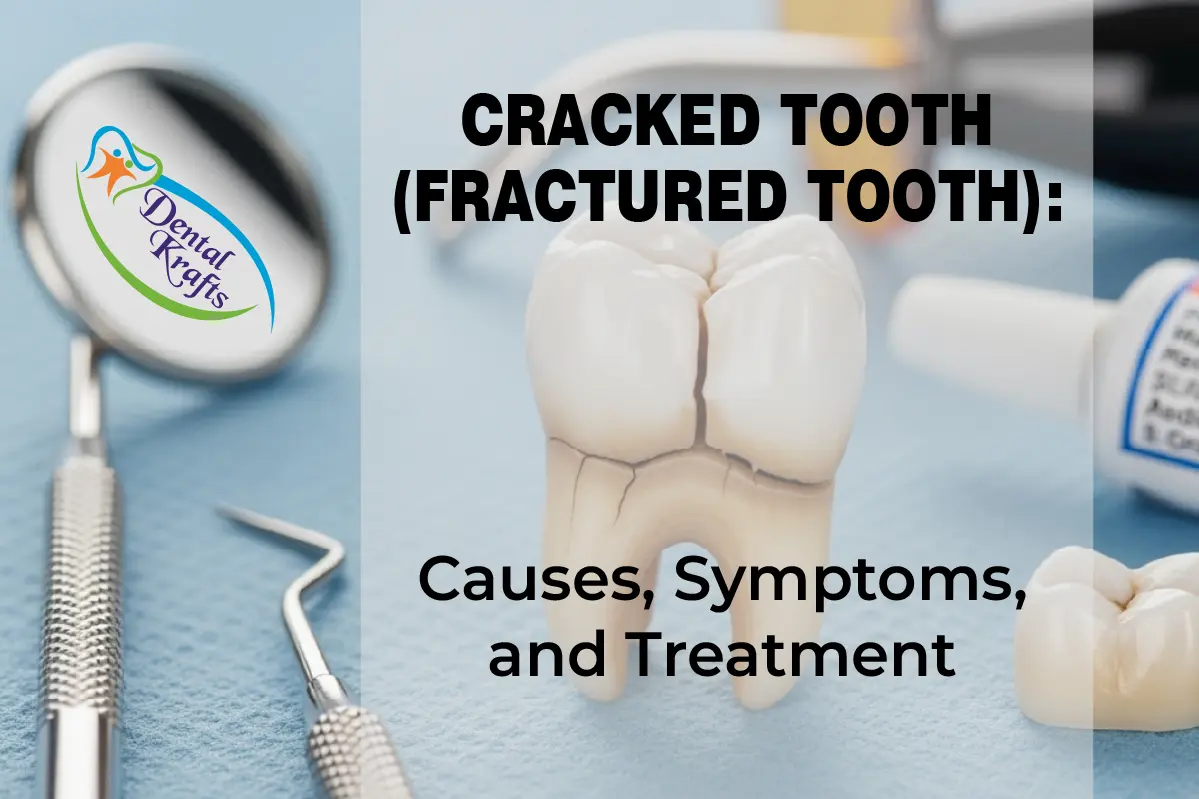
A cracked tooth is more common than you might think — and the pain can show up suddenly, especially when chewing or drinking something cold. Depending on how deep the crack goes, the tooth may be mildly damaged or severely fractured. Understanding why a tooth cracks, what symptoms to look for, and how treatment works can help you prevent further damage.
A cracked tooth means the tooth structure has developed a visible or invisible fracture. This can be a tiny hairline crack or a deep split running vertically. Unlike a chipped tooth, where a small piece breaks off, a cracked tooth involves a fracture within the actual tooth structure. Molars crack more often because of their chewing pressure. If you notice changes in your smile due to cracks, a Cosmetic Dentistry consultation can help restore it.
Hard foods like ice, nuts, or dried sweets can put too much pressure on the tooth. If the enamel is already weak, a sudden crack can develop instantly.
People who grind their teeth put constant pressure on the enamel. Over time, this friction weakens the tooth surface, increasing the chance of cracks. A night guard is often recommended to prevent further fractures.
Sports accidents, falls, or sudden impacts can cause cracks in the front teeth or molars. Children may need a Pediatric Dentist check-up after trauma.
Teeth naturally weaken with age. As enamel thins out, the tooth becomes more vulnerable to fractures. Routine Teeth Cleaning helps maintain enamel strength.
A tooth with a big filling has less natural structure to support pressure. This makes it easier for the surrounding walls to crack under chewing force. In such cases, a Dental Crown is often recommended.
Switching quickly from hot to cold foods (or vice versa) can cause the tooth to expand and contract, creating tiny cracks — especially in teeth with restorations.
The treatment depends on the depth and location of the crack. Delaying treatment can worsen the fracture or cause infection.
For small cracks, composite bonding restores structure and prevents further cracking. It’s quick, painless, and ideal for surface fractures.
If the crack reaches the pulp (nerve chamber), it can cause severe pain or infection. A Root Canal Treatment removes damaged pulp and prevents tooth loss. Afterward, a crown is placed for full protection.
If the crack extends below the gum line, saving the tooth may not be possible. In such cases, extraction followed by a Dental Implant is the best option.
For aesthetic restoration after damage, treatments like Dental Veneers or a Smile Makeover can improve your smile.
A cracked tooth may start as minor discomfort, but it can quickly lead to serious dental complications if ignored. Whether your tooth needs bonding, a crown, a root canal, or extraction, early treatment ensures better results.
Dental Krafts provides expert cracked-tooth treatment with personalized care to restore function, comfort, and your natural smile. Book your consultation to receive the right treatment at the right time.
Yes. Depending on the damage, it can be repaired with bonding, a crown, root canal therapy, or an implant after extraction.
If the crack hasn't reached the nerve, you may not feel pain. But the crack can worsen anytime, so a General Dentistry evaluation is important.
Yes. Even painless cracks can lead to deeper fractures, infection, or tooth loss. An Emergency Dentistry visit may be needed if pain suddenly appears.
OTC pain relievers like ibuprofen help temporarily, but only a dentist can provide a permanent solution. Avoid Teeth Whitening products until treatment is done if sensitivity is present.

