
Smile design
Dental veneers in Gurgaon
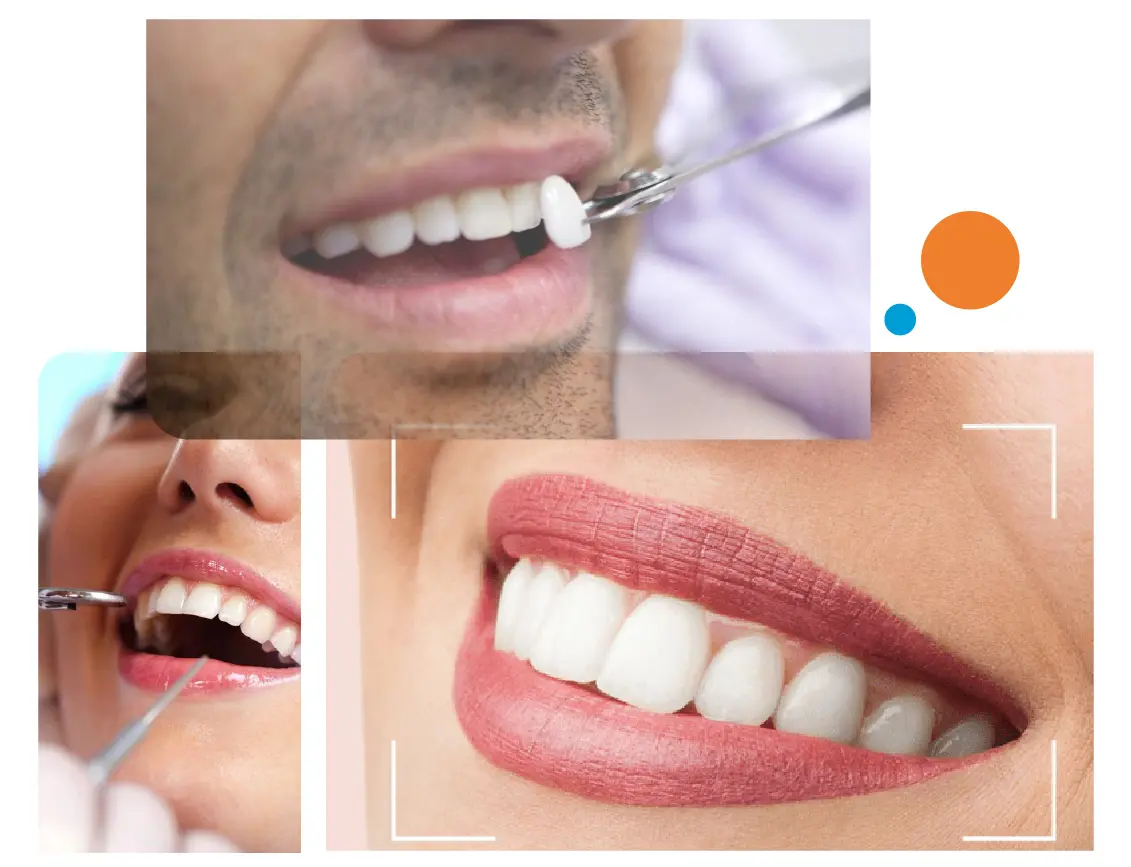
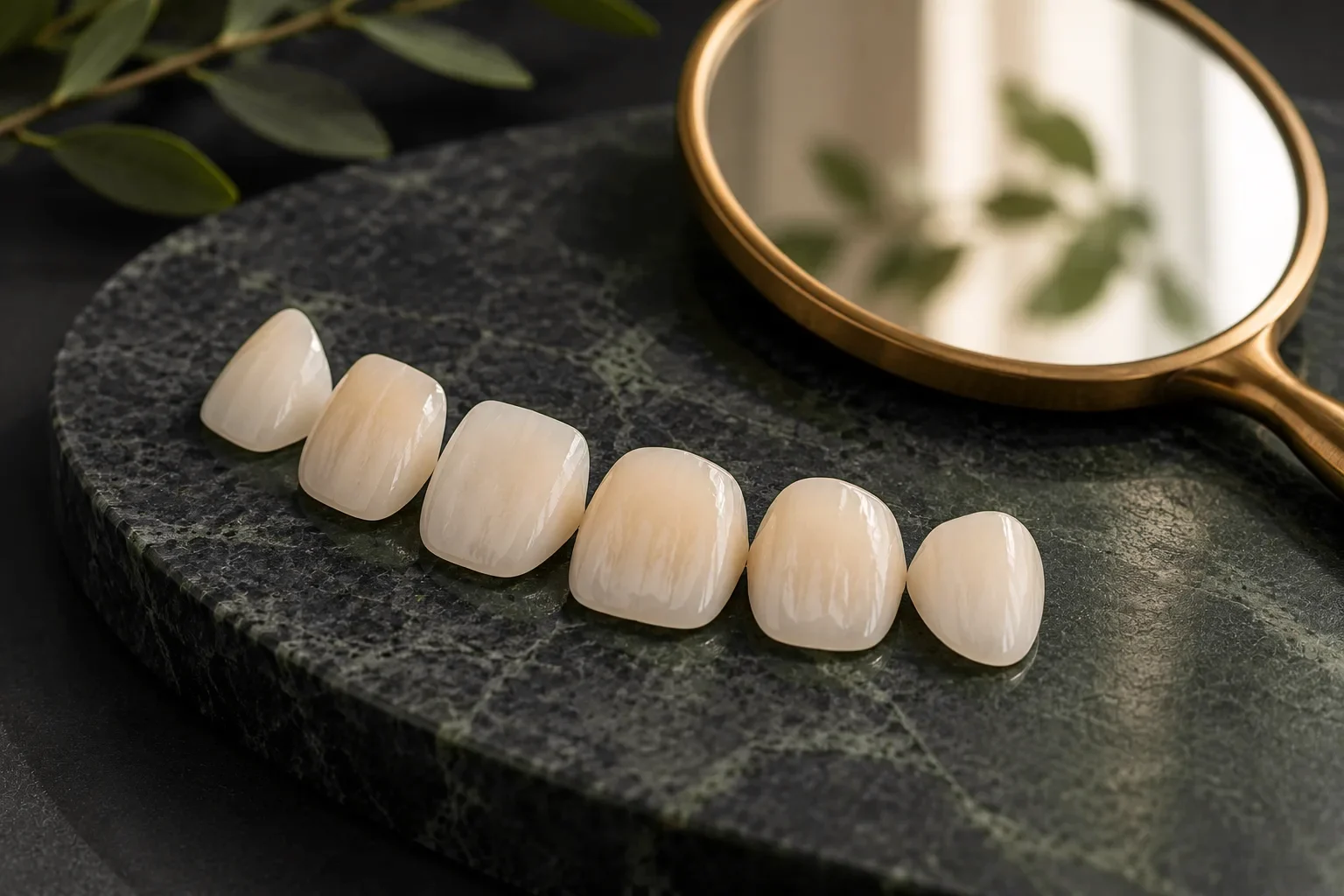
Dental veneers are thin, custom-made shells bonded to the front of your teeth to change their colour, shape, length or small gaps. Porcelain veneers are very natural-looking and stain-resistant, and are made to blend with your own teeth.
Led by Dr Ruchi Goel
 Dr Ruchi Goel
Is this for you?
If any of these sound familiar.
- Your teeth are stained and whitening hasn't worked
- You have small gaps, chips or uneven edges
- Your teeth are short, worn or irregularly shaped
- You have mildly crooked front teeth and prefer not to wear braces
- You want a more even, brighter front-teeth smile
How it works
How veneers work
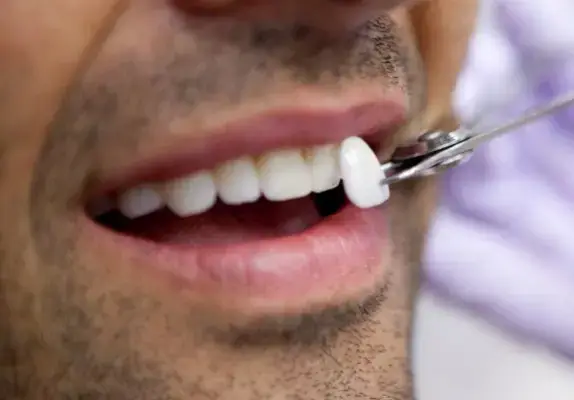
A very thin layer of enamel is usually removed from the front of the tooth, so the veneer sits flush with the neighbouring teeth. We take an impression or scan, fit temporary veneers if needed, and a ceramist makes the final set. They are then bonded to the teeth and shaped to your bite.
Your options
Ways to treat it.
Step by step
What happens, and when.
- ConsultationWe discuss what you'd like to change and check your teeth and gums.
- Smile previewYou see the proposed shape and shade before treatment.
- PreparationThe teeth are lightly prepared under local anaesthesia.
- Impression and temporariesYour teeth are scanned or moulded and temporaries are fitted.
- BondingThe final veneers are checked for fit and colour, then bonded.
- ReviewWe check the bite and comfort and show you how to care for them.
Before anything starts
A written plan, itemised.
After the examination you get a written plan: your options, what each step involves and how many visits it takes, itemised part by part. You decide before anything begins, and there's no pressure to start that day.
- Options, simplest to ideal. You'll hear the honest trade-offs of each.
- Everything in writing. Take it home, ask anything, decide when you're ready.
- Second opinions welcome. Bring your X-rays and the plan you were given.
Results
Dental veneers cases from our chairs.
Veneers and gaps
Gaps between front teeth closed with direct composite veneers, with no drilling of healthy tooth.
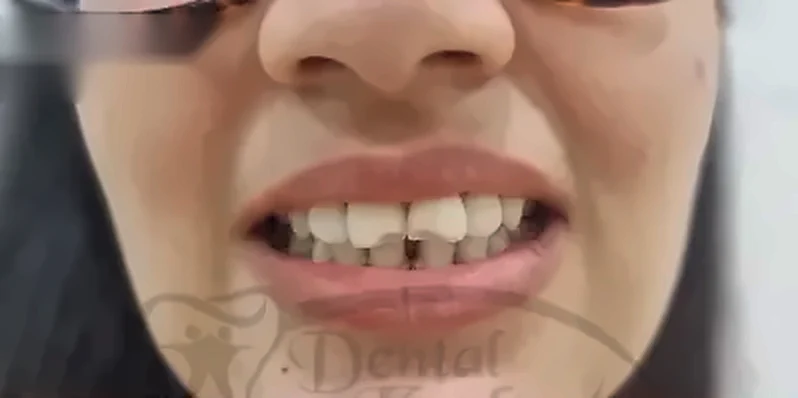
 BeforeAfter
Shared with patient consent. Individual results vary. All results
Aftercare and who treats you
Looking after the result.
You can eat normally once the numbness wears off, though avoid biting hard foods such as nuts, ice or pens. Brush and floss as normal, and use a night guard if you grind your teeth. Attend your check-ups so the edges are checked.
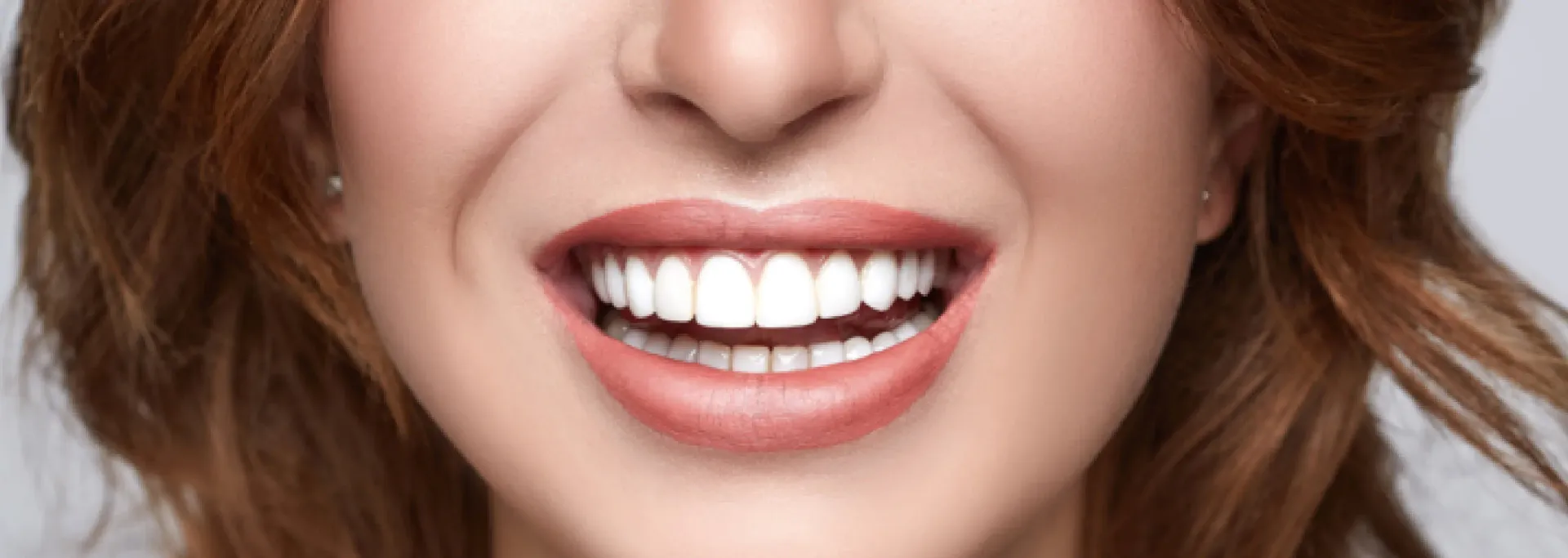
Veneers are a design as much as a procedure. Dr Ruchi Goel (MDS Prosthodontics, AIIMS New Delhi) plans the shape and bite carefully so your smile looks natural in conversation and in photographs.
FAQs
Questions about dental veneers.
Are dental veneers permanent?
Porcelain veneers are long-lasting but not permanent. They commonly last ten to fifteen years or more with good care, and because some enamel is removed, they're considered a lasting change to the tooth.
Do veneers damage your teeth?
Porcelain veneers need a thin layer of enamel to be removed, which can't be put back. Done carefully, it's a conservative treatment, and we only recommend it where it's the right choice for you.
Do dental veneers hurt?
The preparation is done under local anaesthesia, so it shouldn't hurt. Some temporary sensitivity to hot and cold can happen afterwards and settles down.
Can I eat normally with veneers?
Yes. Avoid biting very hard things like ice, pen caps or nails, and cut tough foods up. A night guard protects veneers if you grind your teeth.
What is the difference between veneers and crowns?
A veneer covers only the front of a tooth and needs less tooth removal. A crown covers the whole tooth and is used when the tooth is weak, broken or heavily filled.
Who is not suitable for veneers?
People with untreated decay or gum disease, or who grind their teeth heavily without a night guard. We'd treat those first or suggest a different option.
Patient answers
Related reading

Questions about dental veneers?