
Straighten teeth
Braces in Gurgaon
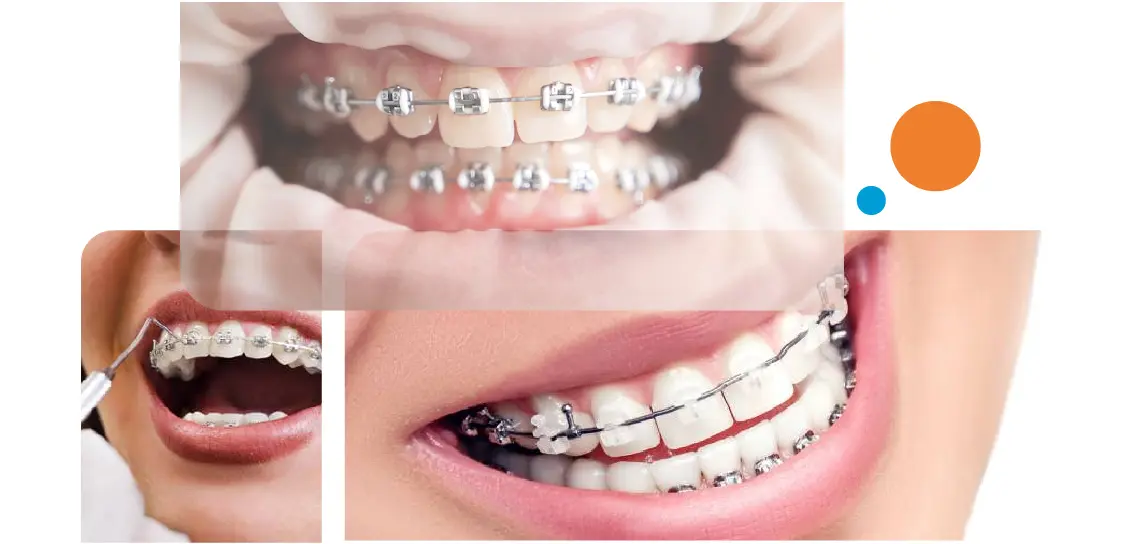
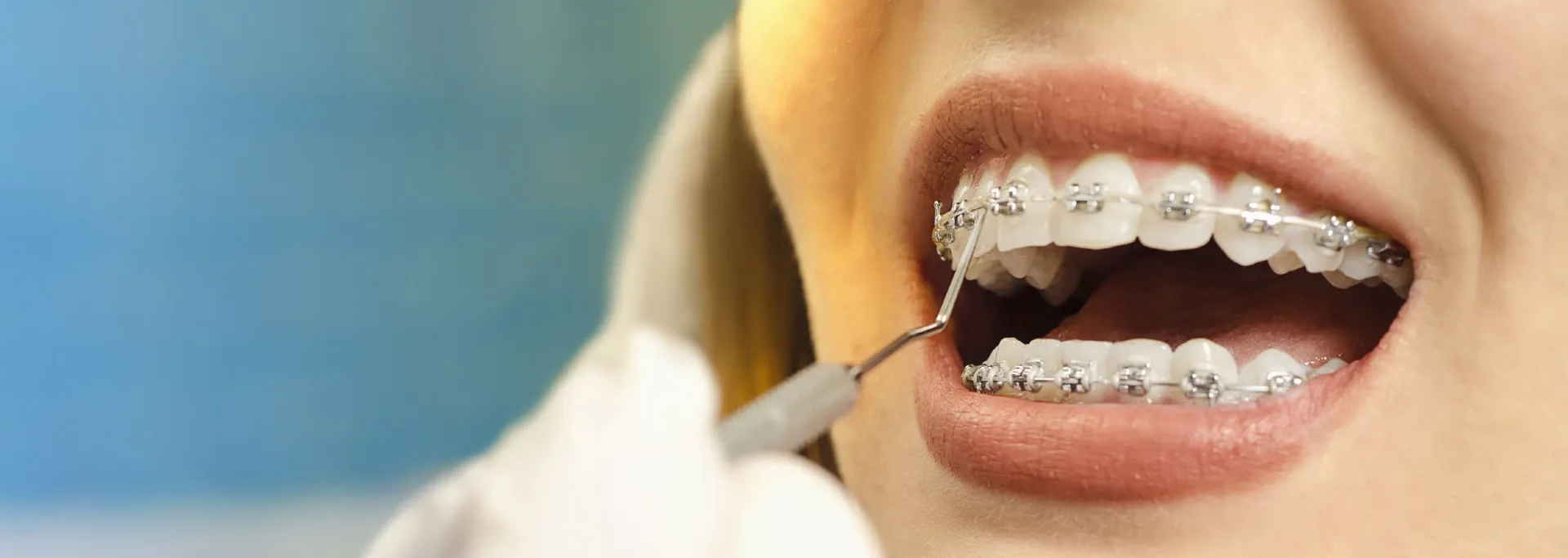
Braces use brackets and wires to move teeth gradually into a better position, correcting crowding, gaps and bite problems. They work for children, teenagers and adults, and the usual treatment time is 12 to 24 months followed by retainers to hold the result.
Led by Dr Parmod Gulia
 Dr Parmod Gulia
Is this for you?
If any of these sound familiar.
- Your teeth are crowded, overlapping or twisted
- You have gaps between teeth
- You have an overbite, underbite, open bite or crossbite
- Your front teeth stick out
- Your teeth are hard to clean because of the way they sit
How it works
How braces work
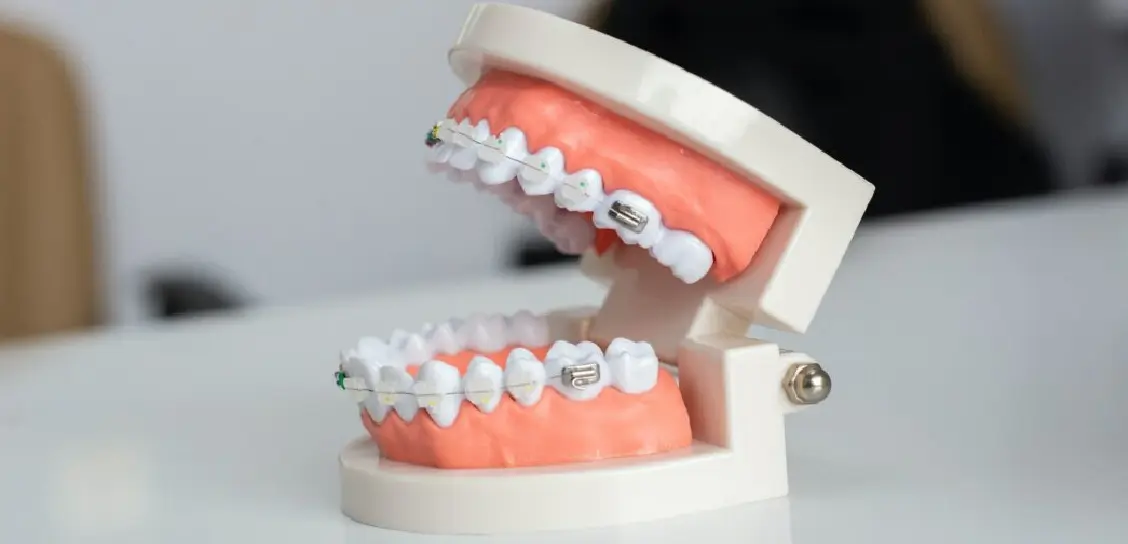
Light, continuous pressure from the wire moves teeth slowly through the bone. Brackets are fixed to the teeth and the wire is changed or adjusted every four to six weeks. When the teeth are in position, retainers keep them there, because teeth tend to move back without them.
Your options
Ways to treat it.
Step by step
What happens, and when.
- RecordsPhotographs, X-rays and impressions or scans are taken.
- PlanWe explain the proposed treatment, the duration and what you'll need to do.
- FittingBraces are fitted, which takes about an hour.
- AdjustmentsVisits every four to six weeks.
- RemovalBraces come off when the teeth are in position.
- RetainersRetainers hold the result for the long term.
Before anything starts
A written plan, itemised.
After the examination you get a written plan: your options, what each step involves and how many visits it takes, itemised part by part. You decide before anything begins, and there's no pressure to start that day.
- Options, simplest to ideal. You'll hear the honest trade-offs of each.
- Everything in writing. Take it home, ask anything, decide when you're ready.
- Second opinions welcome. Bring your X-rays and the plan you were given.
Results
Braces cases from our chairs.
Veneers and gaps
Crooked front teeth aligned for an even smile.
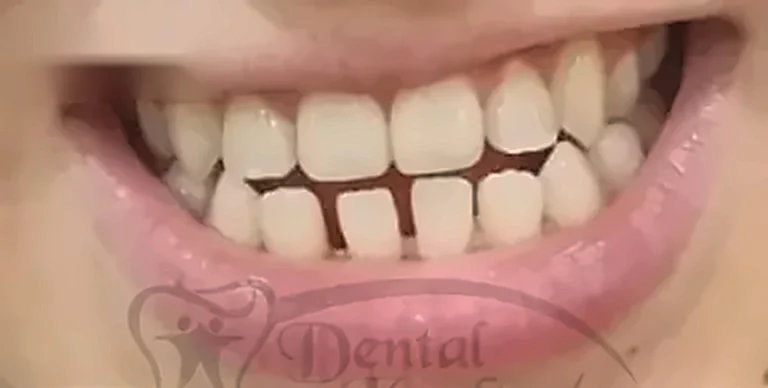
 BeforeAfter
Shared with patient consent. Individual results vary. All results
Aftercare and who treats you
Looking after the result.
Your teeth may ache for a few days after fitting and after adjustments, and soft food helps. Brush after every meal, use interdental brushes, avoid hard and sticky foods, and wear your retainers exactly as advised.
Orthodontic treatment succeeds when it's planned carefully and monitored closely. For children, Dr Parmod Gulia's training in children's dentistry means growth and early habits are considered before braces are needed.
FAQs
Questions about braces.
How long do braces take?
Most treatments take 12 to 24 months, depending on how crowded the teeth are and how complex the bite problem is. We give you an estimate after your records are taken.
Do braces hurt?
Braces cause a dull ache and soreness for a few days after fitting and after each adjustment. It is usually controlled with soft food and simple medicines, and fades quickly.
Am I too old for braces?
No. Adults are a growing share of orthodontic patients. As long as your teeth and gums are healthy, braces can work at any age.
What is the best age for braces?
Many children are checked around age seven, and treatment often starts between about 10 and 14 when most adult teeth are in. Some problems are easier to correct early, so an early check helps.
Metal braces or ceramic braces: which is better?
Both work well. Metal braces are strong and efficient; ceramic braces are tooth-coloured and less visible but can be more fragile. We'll help you choose.
Do I need retainers after braces?
Yes. Without retainers, teeth tend to drift back. Wearing them as advised is what keeps your result for life.
Patient answers
Related reading

Questions about braces?