
Gums, surgery and urgent care
Gum disease treatment in Gurgaon
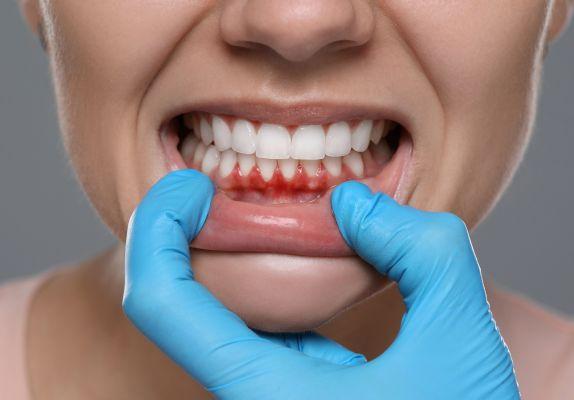
Gum disease is an infection of the tissues that support your teeth, usually caused by plaque and tartar. Early gum disease (gingivitis) causes red, swollen, bleeding gums and is reversible. If it's left, it can become periodontitis, which damages the bone around the teeth.
Led by Dr Parmod Gulia
 Dr Parmod Gulia
Is this for you?
If any of these sound familiar.
- Your gums bleed when you brush or floss
- Your gums are red, swollen or tender
- You have bad breath that doesn't go away
- Your gums are pulling back or teeth look longer
- Teeth feel loose or have shifted
- You have diabetes, smoke or have a family history of gum disease
How it works
Why it matters
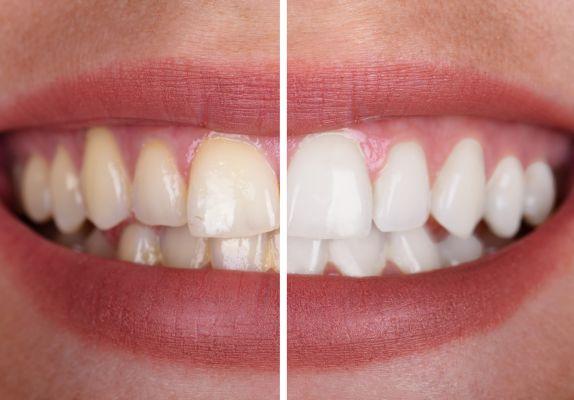
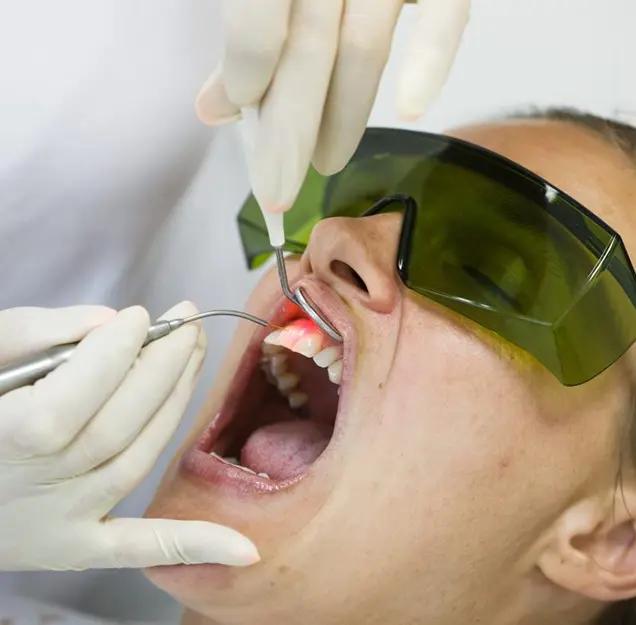
We measure the depth of the pockets around each tooth, take X-rays to check the bone, and then clean thoroughly above and below the gum line, a treatment called scaling and root planing. Sometimes medicines or minor gum surgery are needed. You are taught how to clean effectively at home, and review visits keep the gums stable.
Your options
Ways to treat it.
Step by step
What happens, and when.
- Gum examinationPocket depths, bleeding and X-rays show the extent.
- Deep cleaningPlaque and tartar are removed above and below the gum line.
- Home care planWe show you how to brush and clean between your teeth.
- Re-evaluationThe gums are re-checked a few weeks later.
- MaintenanceCleaning every three to six months keeps the disease under control.
Before anything starts
A written plan, itemised.
After the examination you get a written plan: your options, what each step involves and how many visits it takes, itemised part by part. You decide before anything begins, and there's no pressure to start that day.
- Options, simplest to ideal. You'll hear the honest trade-offs of each.
- Everything in writing. Take it home, ask anything, decide when you're ready.
- Second opinions welcome. Bring your X-rays and the plan you were given.
Results
Gum disease treatment cases from our chairs.
Whitening and cleaning
Heavy tartar and stains removed by professional cleaning.
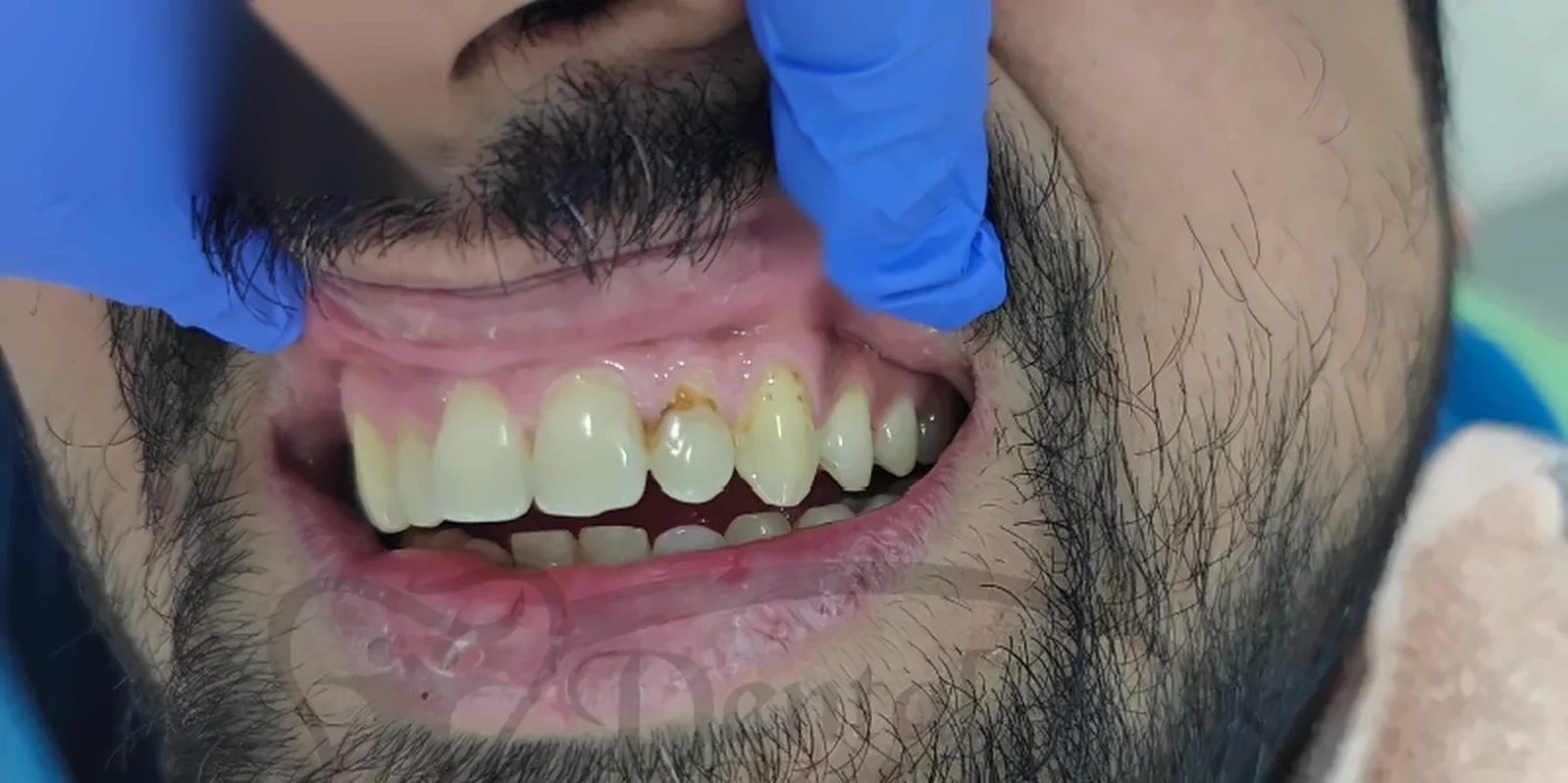
 BeforeAfter
Shared with patient consent. Individual results vary. All results
Aftercare and who treats you
Looking after the result.
Your gums may be tender and bleed a little for a few days after deep cleaning. Rinse with warm salt water, brush gently but thoroughly, and use any prescribed mouthwash. Not smoking and controlling diabetes make a big difference to healing.
Gum disease is quiet and often causes no pain until it is advanced, so early detection matters. We show you what's happening, how to reverse it where possible, and how to keep it from coming back.
FAQs
Questions about gum disease treatment.
Why do my gums bleed when I brush?
Usually because plaque has irritated the gums and they are inflamed. Healthy gums don't bleed. Brushing better and getting a professional clean often stops it, but persistent bleeding needs a dental check.
Can gum disease be cured?
Early gum disease (gingivitis) can be fully reversed. Advanced gum disease (periodontitis) can't be cured, but it can be controlled with treatment and regular maintenance, which stops it getting worse.
What are the signs of gum disease?
Bleeding, red or swollen gums, persistent bad breath, receding gums and loose or shifting teeth. Many early cases cause no pain, so regular check-ups matter.
Is deep cleaning painful?
The area is numbed if needed, so it should be comfortable. Your gums may be tender for a few days afterwards, and it settles with gentle cleaning.
Can gum disease cause tooth loss?
Yes, if it's left untreated, because it destroys the bone that holds teeth in place. Early treatment protects your teeth.
Is gum disease linked to diabetes and other conditions?
Yes. Diabetes makes gum disease more likely and harder to control, and gum infection can make blood sugar harder to manage. Smoking is also a major risk factor.
Patient answers
Related reading

Questions about gum disease treatment?