


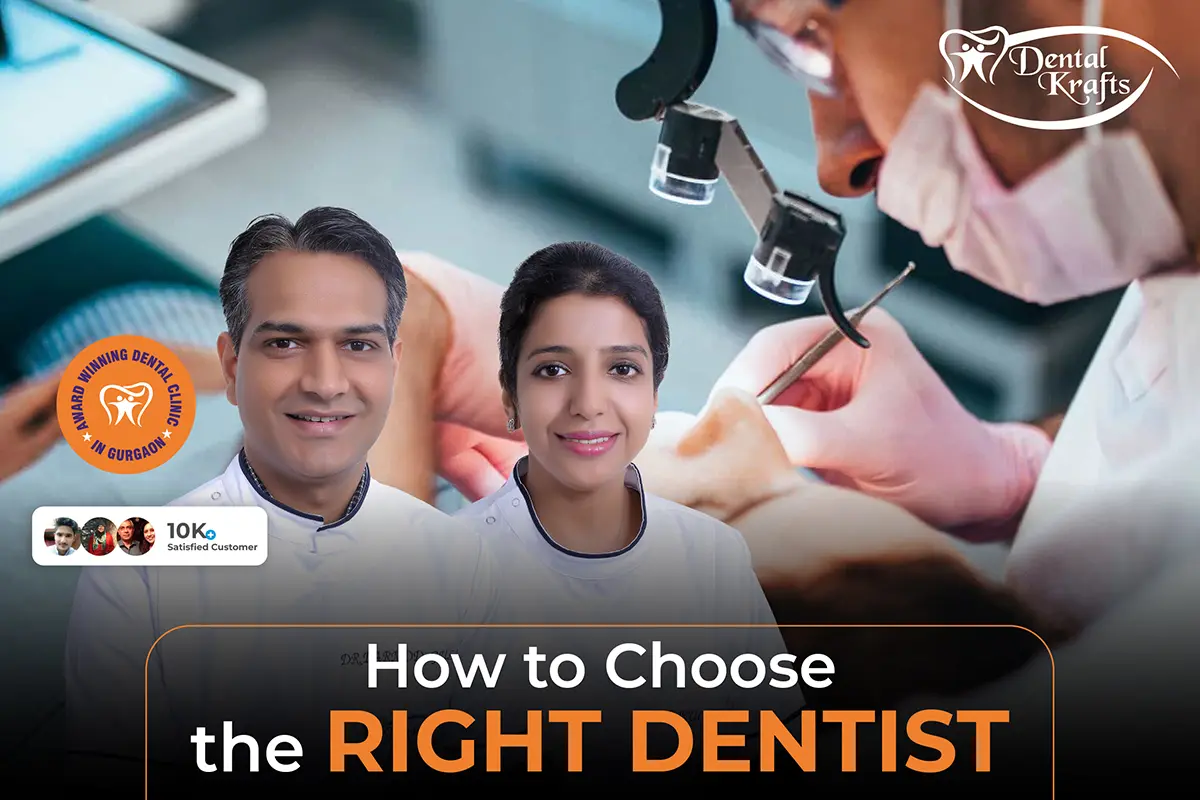
Knowing how to choose the right dentist can save you from poor treatment, unnecessary costs, and repeated dental problems. The right dentist should listen carefully, explain each option clearly, maintain strict hygiene, and have experience with the treatment you need. Instead of choosing a clinic only because it appears first for “best dentist near me,” check qualifications, patient reviews, technology, communication, pricing, and follow-up care before you book your appointment for long-term oral health and comfort.
Dental care affects much more than your teeth. Gum problems, untreated infections, missing teeth, and bite issues can affect eating, speaking, confidence, and daily comfort.
A good dentist does not just treat pain. They look for the cause, explain the condition, discuss suitable options, and help prevent the problem from returning.
For example, a patient with repeated tooth sensitivity may need more than a desensitising toothpaste. The dentist may check for enamel loss, gum recession, cavities, teeth grinding, or an incorrect brushing technique. This careful approach helps patients receive the right treatment instead of a temporary fix.
Before searching for the best dentists near me, think about the type of treatment you need.
You may need help with:
A general dentist can manage regular examinations, fillings, cleaning, and common dental concerns. However, complex treatments may require a dentist with specific training or regular experience in that area.
For example, if you need a dental implant, ask how frequently the dentist performs implant procedures and whether the clinic offers proper scans and treatment planning.
When learning how to choose a good dentist, start by checking professional credentials.
Look for:
Experience should match your dental requirement. A dentist may have many years of practice but limited experience with clear aligners, full-mouth rehabilitation, or complex implant cases.
Ask direct questions during the consultation. For example:
“How many similar cases have you treated?”
“What treatment options do I have?”
“What results can I reasonably expect?”
A trustworthy dentist will answer clearly and will not make unrealistic promises.
Online reviews can help when searching for a top dentist near me, but star ratings alone do not tell the full story.
Look for repeated feedback about:
Detailed reviews often provide more value than short comments such as “best clinic” or “good dentist.”
Pay attention to how the clinic responds to complaints. A respectful and professional reply may show that the team takes patient concerns seriously.
Do not rely on reviews alone. Use them as one part of your decision.
A consultation helps you understand how the clinic works.
During your visit, check whether:
You should never feel forced to begin treatment immediately, especially for expensive or irreversible procedures.
For example, if a dentist recommends tooth extraction, ask whether the tooth can be saved with a filling, crown, or root canal. A proper explanation helps you make a confident decision.
Good communication is one of the clearest signs of a reliable dentist.
The dentist should listen to your concerns, ask about your medical history, examine your mouth carefully, and explain the diagnosis in simple words.
A good dentist should also discuss:
If the explanation feels rushed, unclear, or overly sales-focused, consider getting a second opinion.
This step matters when deciding how to find a good dentist for long-term care.
Dental treatment costs can vary depending on the dentist’s experience, clinic location, material quality, technology, and case complexity.
Ask for a written estimate that includes:
| Cost Area | What to Confirm |
|---|---|
| Consultation | Whether the first examination is chargeable |
| X-rays and scans | Whether imaging costs are included |
| Procedure fees | Full treatment cost |
| Material charges | Type and quality of material used |
| Follow-up visits | Whether reviews are included |
| Additional procedures | Any possible extra charges |
A very low quote may not include scans, temporary restorations, laboratory fees, or follow-up visits.
Choose transparent pricing rather than the cheapest offer.
Location matters, especially when your treatment requires several visits.
When searching for the best dentist near me, check:
A nearby dentist can make follow-up visits easier, but convenience should not replace quality, hygiene, and experience.
You should feel comfortable discussing pain, dental anxiety, treatment costs, and personal concerns.
A good dentist respects your questions and gives you time to decide. They do not shame you for neglected dental care or pressure you into unnecessary treatment.
For major procedures, you can ask for a second opinion. This is especially useful for implants, orthodontic treatment, tooth extraction, or full-mouth restoration.
Add the following visuals to improve engagement:
Before booking your treatment, confirm that:
Learning how to choose the right dentist helps you protect your oral health, avoid unnecessary treatment, and build a long-term relationship with a dental professional you can trust.
To discuss your dental concerns and understand suitable treatment options, you may schedule a consultation with Dental Krafts.
Check qualifications, experience, hygiene, patient reviews, communication, and treatment transparency.
Choose a nearby dentist only if the clinic also meets your quality and safety expectations.
Yes. It can help before expensive, complex, or irreversible treatment.
Ask about diagnosis, options, risks, cost, treatment time, and recovery.
Many people need a check-up every six months, but the schedule depends on individual oral health.

