


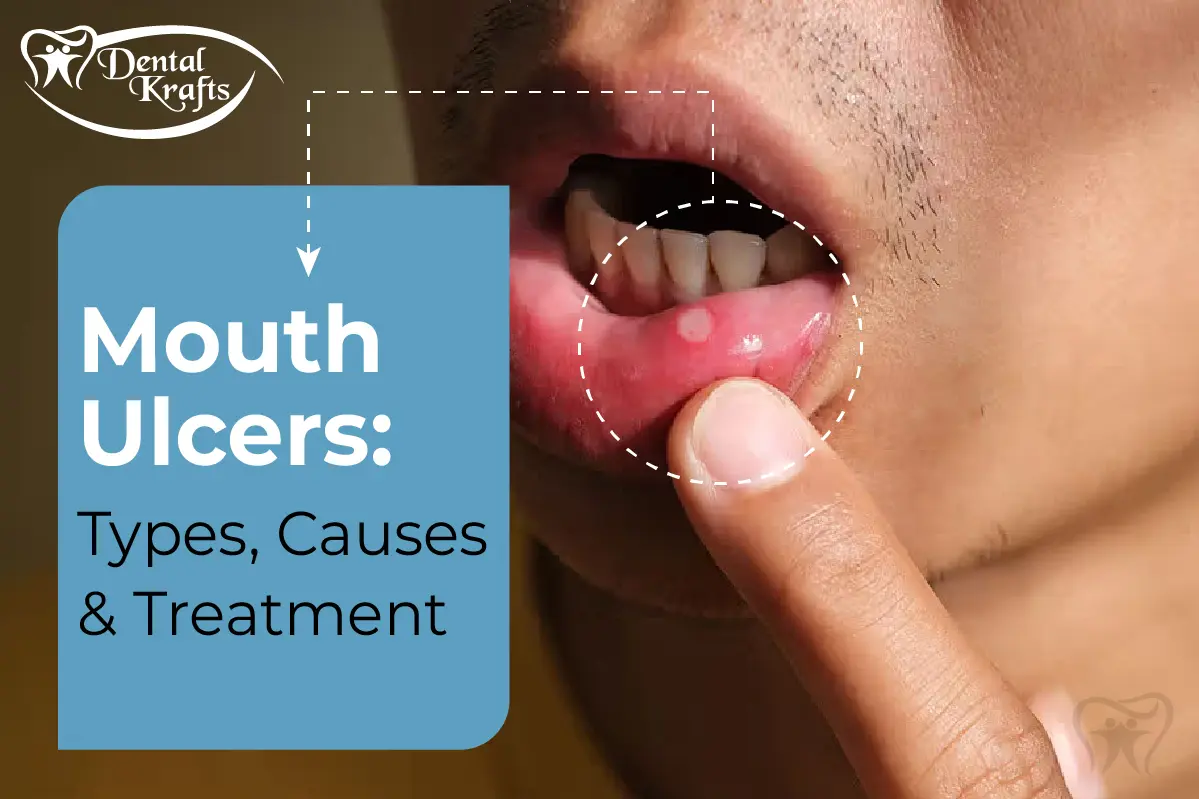
Mouth ulcers, also known as canker sores, are small, painful lesions that can appear on the tongue, lips, cheeks, gums, or even the roof of your mouth. While they’re usually harmless, they can make eating, drinking, and even talking uncomfortable. Here’s a complete guide to help you understand the types, causes, treatments, and prevention methods for mouth ulcers.
Mouth ulcers are shallow, round or oval sores that develop on the soft tissues inside your mouth. They’re not contagious, but they can be very painful — especially when you consume spicy, acidic, or hot foods. These ulcers usually have a red border with a white or yellowish center. Maintaining good oral hygiene with regular Teeth Cleaning can help reduce the risk.
These are the most common type of mouth ulcers. They appear as round or oval sores with a white or yellow center and a red border. They usually affect the soft tissues like cheeks, lips, or tongue and can last a few days to two weeks. Persistent sores may require a visit to a General Dentistry professional.
These ulcers are tiny but appear in clusters, often forming a patch of small sores. They can be triggered by stress or viral infections but are not caused by the herpes virus. If sores appear near the teeth, a Dental Crown evaluation may sometimes be necessary to check for underlying irritation.
These occur due to physical injury — biting your cheek, sharp teeth edges, braces, or rough brushing. They usually heal once the injury resolves.
Caused by the herpes simplex virus (HSV-1), these sores mostly appear outside the mouth near the lips but may appear inside. They are contagious and often form fluid-filled blisters that later crust over. For cosmetic concerns, treatments like Cosmetic Dentistry or Dental Veneers may be discussed if lesions affect appearance.
High stress levels weaken the immune system and increase the chances of mouth ulcers.
Many women experience more ulcers during menstruation or pregnancy due to hormonal fluctuations.
Low levels of vitamin B12, folate, and iron are known to trigger ulcers. A balanced diet helps reduce risk.
Burns from hot food, accidental cheek bites, or harsh brushing can irritate the mouth and cause ulcers.
Spicy foods, nuts, tomatoes, and citrus fruits may trigger ulcers in sensitive individuals.
Viruses like HSV-1 or varicella-zoster can cause recurrent mouth ulcers.
Diseases like lupus, Crohn’s disease, and celiac disease may cause the immune system to attack the mouth lining.
Conditions like HIV/AIDS and medications such as chemotherapy drugs can increase ulcer risk.
Gels, mouthwashes, and creams containing numbing agents (like benzocaine) help relieve pain and speed up healing.
Mix one teaspoon of salt in warm water and rinse your mouth several times a day to reduce inflammation.
Skip spicy, acidic, or crunchy foods until the ulcer heals.
Severe or large ulcers may require corticosteroids, antibiotics, or antiviral medication depending on the cause. Persistent issues may also be discussed with an Root Canal Treatment specialist if related to dental infection.
If deficiencies are the cause, supplements like B12, folate, and iron can help prevent recurrence.
Mouth ulcers are common and usually harmless, but they can disrupt daily activities. By identifying triggers, maintaining good oral hygiene, and managing stress, you can reduce their frequency. If your ulcers keep returning or become more painful, consult a dentist.
At Dental Krafts, we provide professional diagnosis and personalized treatment plans for recurring or severe mouth ulcers. If you're facing discomfort, book a consultation today for expert care.

